Treaties
Brazil and Indonesia have no double taxation convention and no investment agreement. Protection rests on Brazilian law and on the contract, including its arbitration clause.

Supply contracts, guarantees, arbitration and sourcing due diligence for Mato Grosso soybean meal and cotton. Based in Sinop, Mato Grosso, Brazil's leading producer of soybeans, corn and cotton.
We work in fluent English and Spanish, as well as Portuguese, for clients from any country who need legal representation in Brazil.
In 2025, Mato Grosso exporters shipped US$ 870 million to Indonesia, three quarters of it soybean meal for animal feed.
In October 2025 Brazil and Indonesia signed a sanitary and phytosanitary cooperation memorandum in Jakarta. Brazil's Ministry of Agriculture recorded bilateral trade of US$ 6.3 billion in 2024, a record.
Sources: Comex Stat (Ministry of Development, Industry, Trade and Services), Mato Grosso exports in 2025 by destination and product, FOB value (our calculation). Ministry of Agriculture and Livestock (MAPA), 23 October 2025.
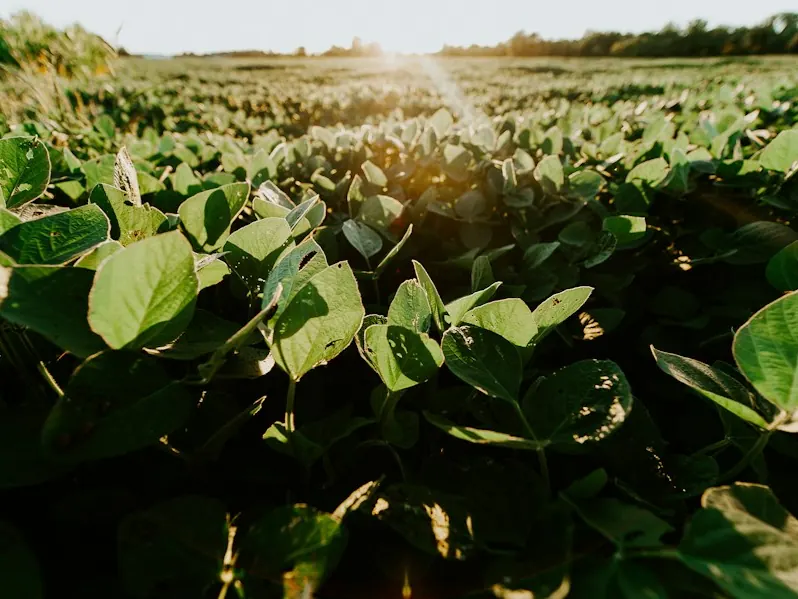 Soybeans and soybean meal
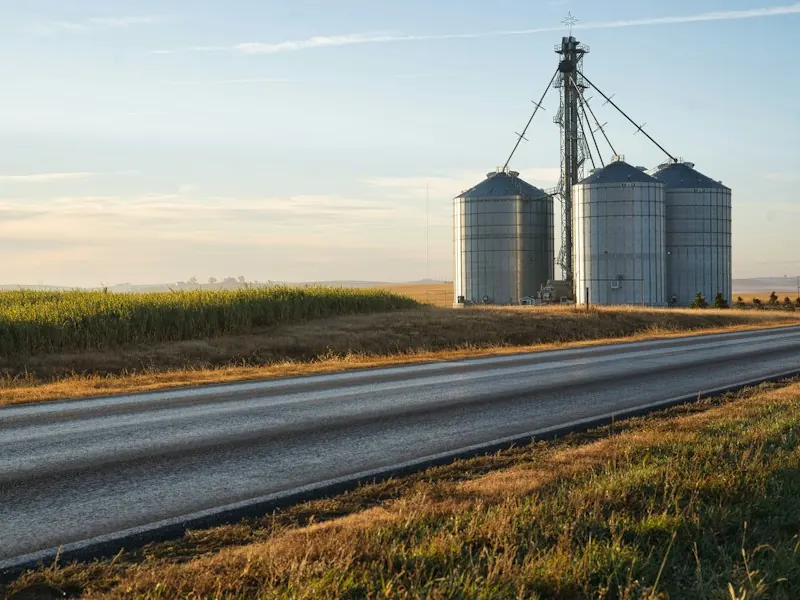 Storage and logistics
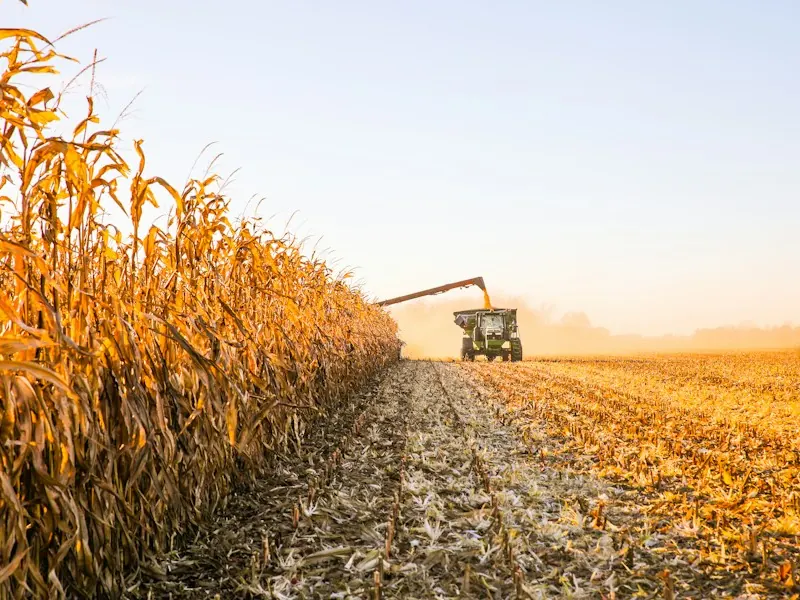 Corn
Brazil and Indonesia have no double taxation convention and no investment agreement. Protection rests on Brazilian law and on the contract, including its arbitration clause.
Indonesia has been a party to the New York Convention since 1982 and to the Hague Apostille Convention since 4 June 2022. Indonesia is not a party to the CISG.
Brazil applies the UN Convention on Contracts for the International Sale of Goods (CISG) since 1 April 2014 (Decree 8,327/2014). Indonesia is not a party, so whether the CISG governs the sale depends on the contract and on conflict-of-laws rules. The governing law should be written into the contract.
Brazil enforces arbitration, and the parties choose the applicable rules (Law 9,307/1996, art. 2). Indonesia (since 1982) and Brazil (since 2002) are parties to the New York Convention on foreign arbitral awards. A foreign award takes effect in Brazil once recognized by the Superior Court of Justice (STJ), which does not review the merits (Law 9,307/1996, arts. 35 to 39).
Brazilian farmers commonly sell and finance their crops through the Rural Product Note (Cédula de Produto Rural, CPR, Law 8,929/1994), which can be registered and backed by guarantees. We review CPRs, pledges of crops and supply contracts before the money moves.
Before buying from a farm or a trading company, we check Ibama and state environmental embargoes and fines, the Rural Environmental Registry (CAR), overlaps with indigenous lands and protected areas, and the deforestation history through satellite imagery.
A foreign company can hold shares in a Brazilian company or set one up. Purchase and lease of rural land by foreigners and by Brazilian companies controlled by foreign capital are subject to area limits and approvals (Law 5,709/1971), so the structure of the deal is designed before signing. Mining may only be carried out by a company organized under Brazilian law, with its head office and management in Brazil. When the shareholders or directors are abroad, Brazilian law requires someone in Brazil to represent them:
We can act as that attorney-in-fact in Brazil, register the company and its foreign investment with partner accountants, and follow up on notices from environmental, mining and tax authorities. More on company formation, mineral rights, rural land and environmental licensing is on our page for foreign investors.

Diovane Franco is the founder of the firm and practices environmental and agribusiness law. He is the author of Embargos Ambientais em Áreas Rurais (Thomson Reuters · Revista dos Tribunais, 2025) and co-author of Cadastro Ambiental Rural: direito, prática e tecnologia (Thomson Reuters · Revista dos Tribunais, 2026).
Offices in Sinop, Mato Grosso (head office), Belém, Pará, Brasília, Federal District, Novo Progresso, Pará, and Rio de Janeiro.
This page is for information only and is not legal advice.